Roof Coating vs. Roof Replacement for Self-Storage Facilities in Houston, TX: Which Is the Better Investment?
Self-storage facilities in Houston face intense summer heat, UV exposure, heavy rainfall, and hurricane season. Those conditions can shorten the life of commercial roofs, leading many owners in Southeast Texas and Greater Houston to wonder whether a roof coating or a complete roof replacement is the better investment for their self-storage facilities.
When your commercial roof begins to show wear, the default reaction is often a full tear-off and replacement. But for large-footprint self-storage assets, replacement drains capital reserves and causes logistical headaches for tenants. At Primetime Roof Coatings & Restoration, drawing on Anthony's decades of hands-on expertise in spray polyurethane foam and advanced coating systems, we evaluate roofs through a diagnostic, engineering-first lens. Before you commit six figures to a tear-off, you need a clear breakdown of when a high-performance coating outperforms replacement, how local climate factors into your decision, and what financial logic dictates for your property.
What Is a Commercial Roof Coating?
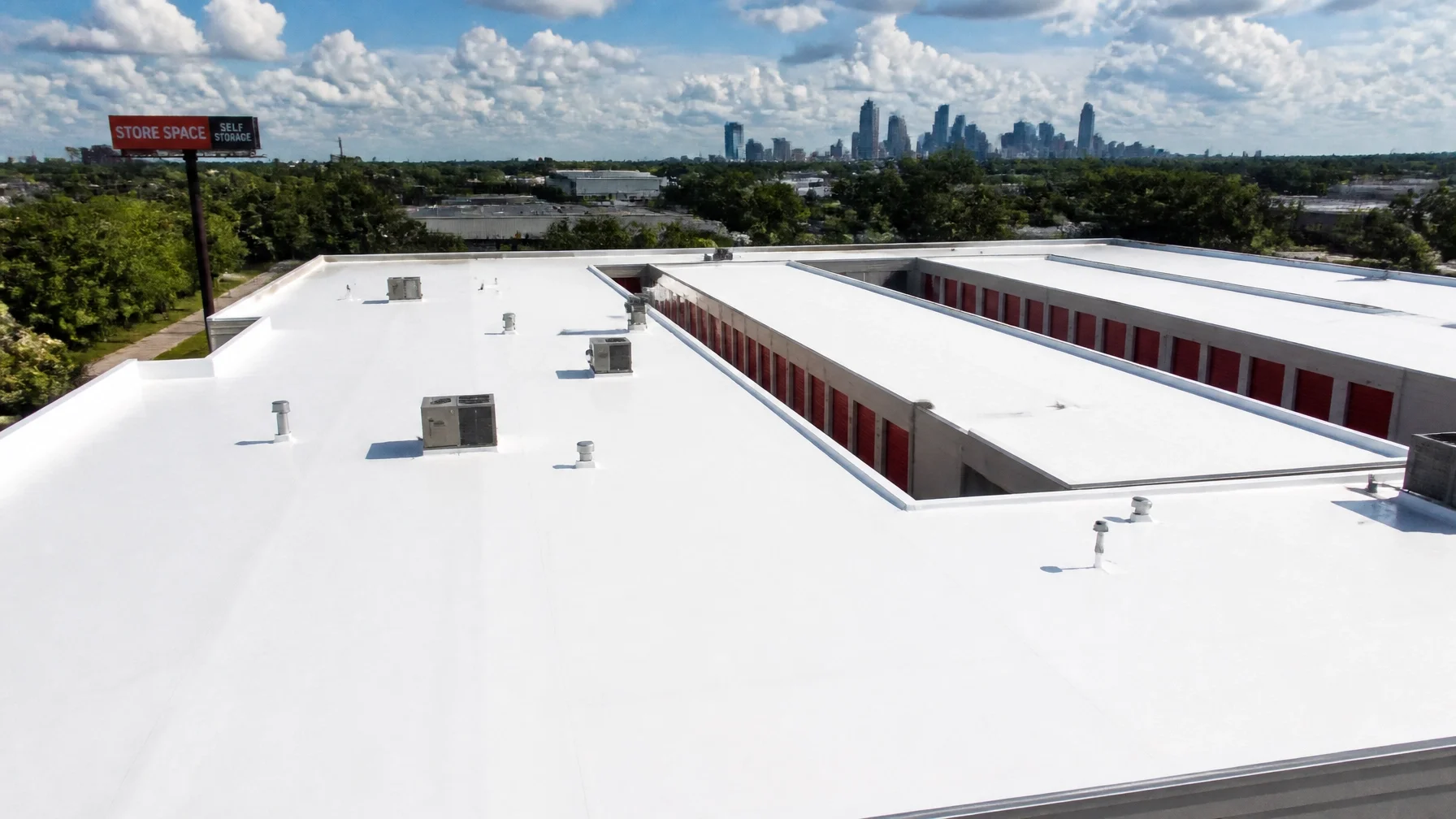
A commercial roof coating is a fluid-applied, seamless membrane installed directly over your existing roof deck and substrate. Unlike traditional single-ply membranes or asphalt systems that rely on mechanically fastened sheets or hot asphalt kettles, a liquid coating cures into a monolithic, elastomeric barrier.
High-performance coatings typically fall into three categories: acrylics, polyurethanes, and high-solid silicones. In our region, silicone systems are particularly favored because they withstand ponding water and relentless UV bombardment without breaking down.
When applied to a structurally sound roof, a coating creates a waterproof seal over seams, flashings, and fastener heads. It stops active leaks and shields the underlying assembly from thermal shock. More importantly, it extends the service life of your existing roof by a decade or more while providing up to a 50 percent savings compared to a disruptive tear-off.
When Can a Self-Storage Roof Be Restored?
Restoration via roof coating is not a universal fix, but when applied to the right roof, it delivers exceptional return on investment. A self-storage facility roof is an ideal candidate for coating when specific structural and material criteria are met:
The underlying roof deck and framing remain structurally sound, with no sagging or structural compromise.
Core samples and infrared moisture scans confirm that insulation is dry and free of trapped water.
Leaks are localized around flashings, penetrations, seams, or fastener heads rather than stemming from widespread deck failure.
The existing membrane is weathered, chalking, or aging, but its physical foundation is intact.
You require minimal operational disruption so your tenants experience zero downtime or access blockages.
When these conditions align, coating the roof stops deterioration in its tracks. You avoid the heavy dumpsters, loud machinery, and debris associated with full tear-offs. Furthermore, a restored roof qualifies for 10, 15, or 20-year transferable warranties that cover both labor and materials.
When Is Roof Replacement the Better Option?
Pragmatism requires us to state clearly when a coating is the wrong choice. If a roof has passed the threshold of restoration, applying a coating is a waste of capital. Full roof replacement becomes the necessary path under specific circumstances:
Core samples reveal widespread moisture saturation throughout the insulation layers. When insulation holds water, a topcoat traps that moisture, accelerating deck corrosion from the inside out.
The structural deck, whether metal or wood, suffers from severe rust, rot, or structural compromise.
Leaks are systemic, migrating across the entire building footprint because the membrane has lost its structural integrity.
You have experienced repeated, failed patch repairs over many years, resulting in a patchwork assembly that no longer bonds reliably.
When structural decay is present, safety and asset protection demand a complete tear-off and a fresh assembly.
Roof Coating vs Roof Replacement Cost in Houston
Evaluating the financial logic of commercial roofing requires looking beyond initial contractor bids to examine long-term cash flow, asset valuation, and operational disruption.
While exact costs vary based on square footage, roof pitch, and material selection, commercial roof replacement requires extensive labor, heavy equipment rental, waste hauling fees, and disposal costs. Tearing off a large self-storage footprint and installing new insulation and membrane demands significant capital outlay and can disrupt tenant traffic.
Roof coating eliminates the tear-off and disposal phase. Because the existing roof stays in place as a stable base, labor hours drop significantly, and material is applied efficiently via spray or roller equipment. This translates to upfront cost efficiency of up to 50 percent compared to replacement.
Beyond initial savings, reflective coatings lower rooftop surface temperatures by up to 80 degrees Fahrenheit. This reduction in thermal transfer translates into tangible energy savings of 10 to 15 percent annually, reducing cooling loads on climate-controlled storage units and delivering continuous ROI year after year.
How Houston's Climate Affects Commercial Roofs
Houston's climate is notoriously harsh on commercial buildings. Self-storage facilities, with their expansive low-slope and metal roof footprints, bear the brunt of environmental stressors:
Intense Heat: Ambient summer temperatures push rooftop surface temperatures past 160 degrees Fahrenheit, accelerating the degradation of traditional roofing materials.
UV Exposure: Unrelenting ultraviolet radiation breaks down polymer chains in roofing membranes, causing embrittlement, cracking, and chalking.
Hurricanes and Heavy Rain: Tropical storms deliver torrential downpours and high wind uplift forces that test perimeter flashings, seams, and drainage systems.
High Humidity: Persistent moisture in the air fosters biological growth and stresses vulnerable lap joints.
Thermal Expansion: Rapid daily temperature swings cause building materials to expand and contract continuously, shearing fasteners and opening gaps at roof seams.
Standard roofing materials struggle under this cyclic punishment. High-grade elastomeric and silicone coatings create a seamless, flexible membrane engineered to move with thermal expansion while resisting UV breakdown and ponding water during heavy rain events.
Questions Every Self-Storage Owner Should Ask
Before making a final capital expenditure decision for your self-storage facility, ask your roofing contractor these critical diagnostic questions:
What do core samples and infrared scans reveal about our insulation and deck condition?
Are our leaks localized at penetrations and seams, or are they systemic across the entire building?
What is the specific mil thickness and chemical formulation of the proposed coating system?
Does the warranty cover ponding water, and is it backed directly by the manufacturer?
How will the restoration process impact tenant access, gate security, and daily facility operations?
Asking these questions separates professional asset managers from contractors looking for a quick sale.
Secure Your Self-Storage Investment Today
Choosing between roof coating and roof replacement does not have to be a gamble. At Primetime Roof Coatings & Restoration, we provide honest, diagnostic-first assessments that prioritize your operating budget and long-term asset value.
If you manage a self-storage facility in Houston, Greater Houston, or Southeast Texas, contact us today for a professional roof inspection. We will give you straightforward answers, clear data, and zero high-pressure sales tactics. Call us at 832-447-1170 to schedule your comprehensive roof evaluation.
Why Self-Storage Roofs Leak (and What Owners Can Do Before It Becomes Expensive)
For self-storage facility owners and property managers across Houston, Katy, Cypress, Spring, The Woodlands, Pasadena, and Baytown, a roof leak is never just a minor maintenance annoyance. When water penetrates a self-storage unit, it destroys tenant belongings, triggers liability claims, damages facility reputation, and sparks costly emergency repairs. Whether your facility features aging metal standing seam panels or low-slope TPO membranes, understanding why leaks occur is the first step toward preventing catastrophic property damage.
Drawing on decades of hands-on experience in spray polyurethane foam and high performance commercial roof coatings, Anthony and the team at Primetime Roof Coatings & Restoration evaluate dozens of self-storage properties every year. Across the Texas Gulf Coast region, extreme thermal cycling, heavy downpours, and relentless UV exposure push roofing materials to their absolute limits. If you own or manage self-storage square footage in the Houston metropolitan area, recognizing the root causes of roof failure can save you tens of thousands of dollars in premature replacement costs.
1. Thermal Movement on Large Metal Spans
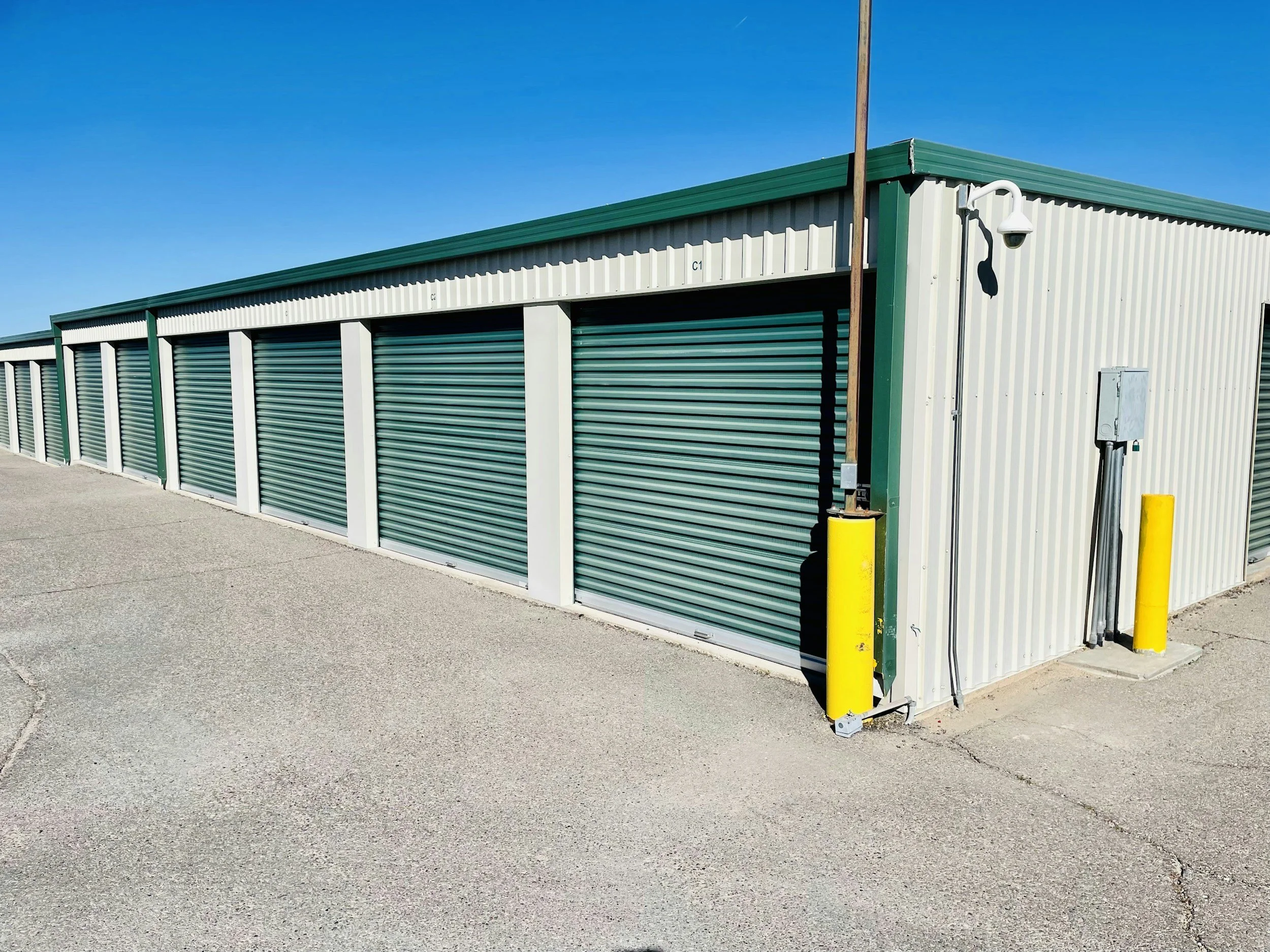
Many traditional drive-up self-storage buildings rely on long runs of metal roofing panels. While durable, these metal surfaces expand and contract daily under the brutal Texas sun. During peak summer afternoons, surface temperatures on metal roofs frequently exceed 160 degrees Fahrenheit, only to drop sharply during overnight cooling or sudden thunderstorms.This constant thermal expansion and contraction causes metal panels to shift. Over time, mechanical fasteners loosen in their holes, and factory sealants at panel overlaps shear apart. Once gaps form around fasteners or standing seams, wind driven rain from passing Gulf storms is forced directly into the storage bays below. Furthermore, standing water or standing debris in low-pitch metal valleys accelerates fastener corrosion. When rust takes hold around screw heads, the metal surrounding the fastener thins and fails. Without proactive maintenance, these microscopic gaps widen into persistent ceiling leaks that threaten tenant units.
2. Ponding Water and Seam Failures on Low-Slope TPO Roofs
Multi-story indoor self-storage facilities typically utilize low-slope or flat roofing systems, with thermoplastic polyolefin (TPO) being one of the most common membranes installed today. While TPO offers excellent initial reflectivity, low-slope roofs face unique hydraulic challenges, especially in flat terrain across Pasadena, Baytown, and south Houston.When roof drains clog with windblown debris, or when building settlement creates slight structural depressions, water accumulates in low spots. Industry standards classify water that fails to drain within forty-eight hours as damaging ponding water. On TPO membranes, prolonged standing water exerts continuous hydrostatic pressure on heat-welded seams. If an initial weld was slightly suboptimal during installation, or if UV degradation has weakened the membrane over the years, water penetrates the lap joints. Once moisture enters beneath the top membrane ply, it migrates laterally across the insulation board, often emerging inside a storage unit twenty feet away from the actual roof breach.
3. Neglected HVAC Units and Penetration Flashings
Every self-storage facility relies on extensive rooftop equipment, including ventilation fans, security conduit, drainage scuppers, and climate control HVAC units. Every single roof penetration represents a potential leak point if the surrounding flashing details fail. Rooftop HVAC units vibrate constantly during operation. This mechanical vibration breaks down mastic seals, cracks rubber pipe boots, and pulls pitch pockets apart. In the Houston climate, rapid temperature swings harden roofing sealants until they crack and separate from metal curbs.Facility managers often focus solely on the main roof membrane while ignoring these critical flashings. When neglected, water funnels directly around HVAC curbs, soaking ceiling insulation and dripping straight onto hallway floors or active storage units. Routine roof inspections must prioritize checking every penetration seal before rainy season arrives.
Actionable Steps for Self-Storage Owners
Waiting for tenants to report water dripping onto their furniture is an expensive operational strategy. By implementing a proactive roof management plan, you can protect your assets and maintain predictable facility budgets.
Conduct Bi-Annual Roof Health Assessments
Schedule professional roof inspections twice a year, ideally in the spring before severe storm season and in the fall after peak summer heat. An expert inspection identifies hairline seam separations, loose fasteners, and clogged drainage scuppers before water reaches the interior.
Clear Drains and Scuppers Monthly
Keep internal drains, gutters, and perimeter scuppers completely clear of leaves, dirt, and windborne debris. Unrestricted drainage eliminates standing water on TPO roofs and prevents accelerated corrosion in metal roof valleys.
Avoid Band-Aid Patch Jobs
Applying temporary roofing cement or generic caulking over leaking seams is a temporary fix that frequently causes more harm than good. Patch-only repairs trap moisture, complicate professional restoration efforts, and fail under heavy thermal stress.
Upgrade to High-Performance Coatings Before Replacement
If your self-storage roof is aging, showing surface wear, or developing scattered leaks, a full tear-off is rarely your only option. Advanced elastomeric and silicone roof coating systems create a seamless, monolithic waterproof membrane over existing metal or TPO roofs.Coating systems deliver exceptional financial and operational advantages for self-storage operators: Cost Efficiency: Restoring an existing roof costs up to 50 percent less than a complete tear-off and replacement. Zero Business Interruption: Application occurs quietly overhead without disrupting daily tenant access, loading operations, or driving revenue loss.Energy Savings: High-reflectivity coatings reduce surface temperatures significantly, lowering annual cooling costs for climate-controlled facilities by 10 to 15 percent. Long-Term Protection: Backed by 10, 15, or 20-year transferable warranties covering both labor and materials.
Protect Your Investment Today
Whether you operate a sprawling drive-up metal storage complex in Katy, a multi-story climate-controlled facility in The Woodlands, or warehouse storage units across Cypress, Spring, Pasadena, or Baytown, protecting your roof is protecting your revenue.Do not wait for the next heavy Texas downpour to expose vulnerabilities in your roofing system. Take control of your maintenance overhead and secure your tenants' peace of mind with an expert evaluation from Primetime Roof Coatings & Restoration.Call us today at 832-447-1170 for a comprehensive, no-obligation roof health assessment. Let our experienced team help you extend your roof life, stop leaks permanently, and avoid the staggering cost of a premature full replacement.
If your Roof Leaked Tonight… how many tenants would be affected tomorrow morning?
Most self-storage facility owners operate under a dangerous illusion. Because nobody lives inside the units and because properties are often managed remotely or through third-party REITs, the roof is treated as an out of sight, out of mind asset. That neglect creates a ticking financial time bomb. When a commercial roof fails at a storage facility, the damage extends far beyond a wet shingle or a damp drywall patch. It triggers a cascading failure of tenant property damage claims, aggressive insurance disputes, and catastrophic liability exposure.
At Primetime Roof Coatings and Restoration, our owner Anthony brings decades of hands-on experience in spray polyurethane foam and advanced roof coating systems across commercial sectors. Anthony has seen firsthand how deferred maintenance on large footprint facilities turns minor membrane fatigue into six-figure legal battles. If you own or manage properties in the Houston metro area, ignoring your roof is no longer an option.
The True Cost of a Self-Storage Roof Failure
When a roof fails on an office building or a retail strip, tenants experience temporary inconvenience. When a roof fails on a self-storage facility, tenants experience ruined inventory, destroyed family heirlooms, damaged business equipment, and immediate operational downtime.
The financial fallout hits fast. A single major downstorm can breach a neglected membrane, sending water cascading into dozens of individual units. Within hours, facility operators face angry tenants demanding compensation, carriers launching rigorous investigations, and a severe hit to brand reputation. Tenants who signed rental agreements expecting secure, dry storage quickly seek legal counsel.
Operating a facility requires proactive asset management. Whether you need a specialized self storage roof coating Houston property owners rely on, or emergency commercial roof repair self storage facility Woodlands managers trust, waiting for a tenant to report water pouring into unit 412 is a losing strategy.
Why Self-Storage Roofs Fail Faster Than Expected
Facility owners often assume that because their buildings are relatively straightforward single-story structures, the roofs should last for decades without intervention. Reality proves otherwise. Self-storage architecture presents unique structural vulnerabilities that accelerate wear and tear:
Massive Unbroken Membrane Spans: Long, low-slope flat roofs and expansive metal buildings experience severe thermal expansion and contraction under intense Texas sun. Without proper elastomeric protection, seams pull apart.
Severe Ponding Water: Low-slope designs frequently develop structural sagging over time. Water pools for days after a heavy rain, degrading TPO or modified bitumen membranes.
Heavy HVAC Penetrations: Climate-controlled units require dozens of rooftop HVAC units, curb flashings, and utility penetrations. Every single penetration is a potential leak point if sealants degrade.
Zero Daily Occupancy: Because buildings are locked and unattended for hours or days at a time, slow leaks develop into major saturation zones before anyone notices.
These vulnerabilities demand localized expertise. Dealing with a persistent flat roof leak self storage Pasadena operators face requires targeted diagnostic sealing, while managing a sprawling metal roof coating storage facility Baytown locations require calls for seamless liquid-applied reinforcement. Similarly, maintaining complex climate controlled storage roof maintenance Pearland facilities mandate requires specialized knowledge of internal humidity and insulation integrity.
The Liability Angle: Tenant Belongings and Insurance Realities
Texas commercial real estate law places significant responsibility on property operators to maintain safe, watertight premises. While standard self-storage lease agreements typically include liability waivers and require tenants to carry their own renter or commercial contents insurance, those waivers do not grant immunity against gross negligence or proven maintenance failures.
If an operator receives multiple reports of roof leaks, acknowledges the structural defect in writing or via prior maintenance logs, and fails to act before a storm destroys tenant property, liability exposure skyrockets. Insurance carriers providing commercial general liability policies often contest claims if they discover years of deferred maintenance and skipped annual inspections.
When managing assets across regions like Cypress or Katy, mitigating self storage roof leak liability Texas courts enforce requires documented proactive care. That is why professional oversight such as a rigorous self storage roof inspection Cypress operations undergo is vital for establishing a clear record of due diligence.
What a Proper Diagnostic Inspection Catches Before It Becomes a Claim
Most traditional roofing contractors offer a casual visual walkthrough from a ladder and call it a day. That superficial approach misses hidden subsurface saturation, fastener corrosion, and failing seam welds.
Anthony and our team at Primetime Roof Coatings and Restoration utilize a diagnostic-first protocol. We do not guess; we test. Our inspections incorporate:
Infrared Thermography: Non-invasive thermal imaging cameras detect trapped moisture beneath the roofing membrane long before interior water staining appears.
Core Cuts and Moisture Metering: We verify the exact condition of underlying insulation and decking to ensure the roof is a viable candidate for restoration rather than a costly full tear-off.
Seam and Flashing Stress Testing: We evaluate every perimeter termination, scupper, drain, and HVAC curb flashing for micro-cracks and material fatigue.
Catching these issues early transforms a potential five-figure tenant lawsuit into a straightforward preventive maintenance fix. For comprehensive storage facility roof restoration Katy TX building owners can verify, our diagnostic reports provide absolute clarity on structural health.
When facility owners face aging, leaking roofs, many assume their only option is a complete tear-off. A full commercial roof replacement is disruptive, messy, and staggering in cost. It shuts down facility access, frustrates tenants, and generates massive landfill waste.
There is a superior engineering alternative. Modern fluid-applied elastomeric coatings and Spray Polyurethane Foam (SPF) systems offer a smarter path:
Cost Efficiency: Roof restoration typically costs up to 50 percent less than a complete tear-off and replacement.
Seamless Waterproofing: Liquid-applied silicone or elastomeric membranes cure into a monolithic, seamless barrier that completely eliminates fastener pull-outs and joint leaks.
Energy Savings: High-reflectivity white coatings reflect up to 85 percent of solar radiation, cutting interior cooling loads for climate-controlled units by 10 to 15 percent annually.
Extended Warranties: Our systems come backed by 10, 15, or 20-year transferable warranties covering both labor and materials.
Minimal Disruption: Projects are completed quickly with zero disruption to tenant access or daily business operations.
Stop Gambling With Your Facility Assets Today
Ignoring your self-storage roof does not make the risk go away. It only magnifies the cost when failure finally strikes. Whether your property spans 5,000 square feet or 100,000 square feet across the Houston metro area, protecting your investment requires an expert eye and a proactive restoration strategy.
Take control of your facility's operational security today. Contact Primetime Roof Coatings and Restoration to schedule your no-obligation commercial roof health assessment. No pressure, no sales gimmicks, just honest engineering answers from experienced professionals.
Call us directly at 832-447-1170 or visit our team online to secure your property before the next major Texas storm hits.