Why Self-Storage Roofs Leak (and What Owners Can Do Before It Becomes Expensive)
For self-storage facility owners and property managers across Houston, Katy, Cypress, Spring, The Woodlands, Pasadena, and Baytown, a roof leak is never just a minor maintenance annoyance. When water penetrates a self-storage unit, it destroys tenant belongings, triggers liability claims, damages facility reputation, and sparks costly emergency repairs. Whether your facility features aging metal standing seam panels or low-slope TPO membranes, understanding why leaks occur is the first step toward preventing catastrophic property damage.
Drawing on decades of hands-on experience in spray polyurethane foam and high performance commercial roof coatings, Anthony and the team at Primetime Roof Coatings & Restoration evaluate dozens of self-storage properties every year. Across the Texas Gulf Coast region, extreme thermal cycling, heavy downpours, and relentless UV exposure push roofing materials to their absolute limits. If you own or manage self-storage square footage in the Houston metropolitan area, recognizing the root causes of roof failure can save you tens of thousands of dollars in premature replacement costs.
1. Thermal Movement on Large Metal Spans
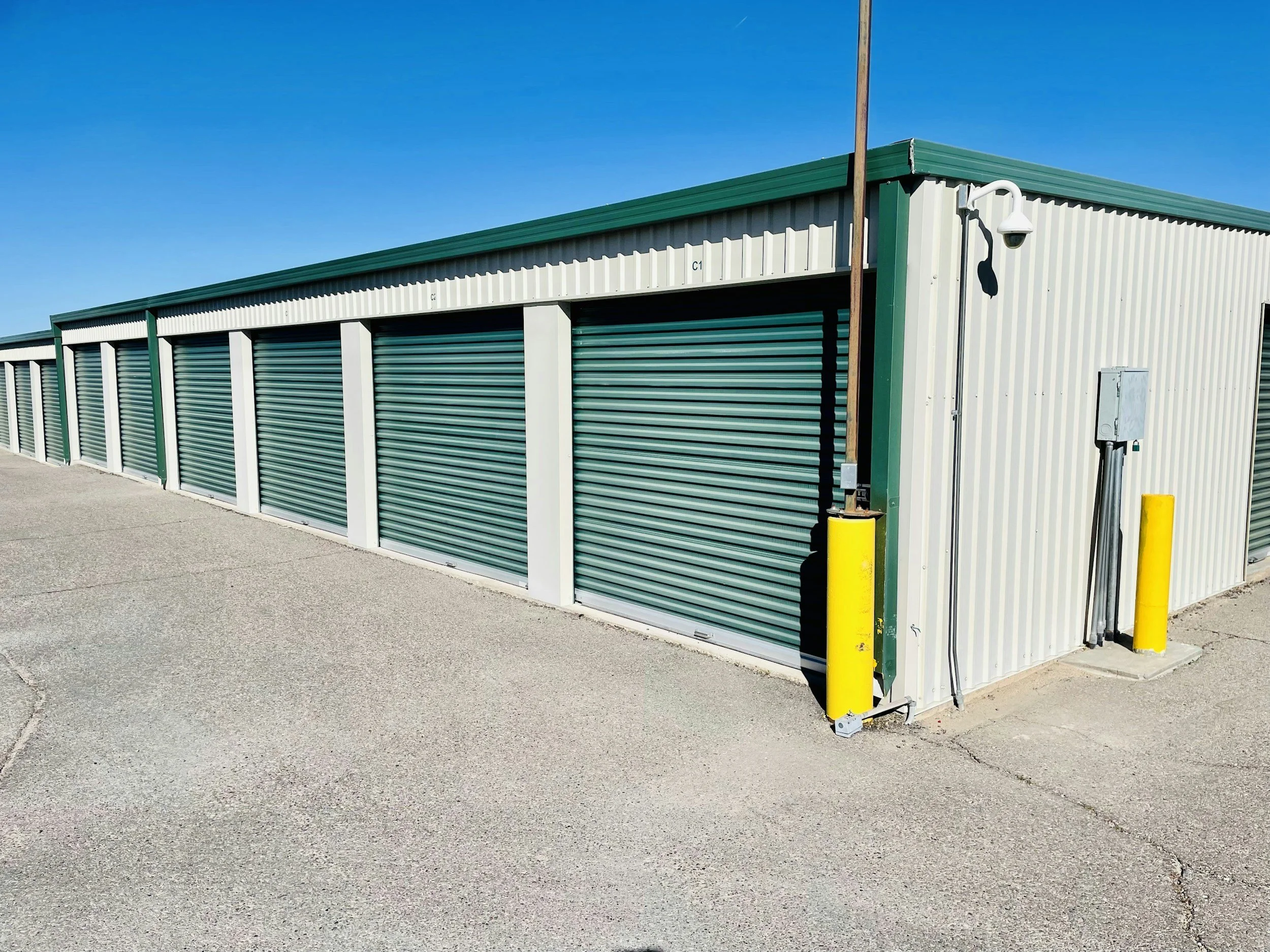
Many traditional drive-up self-storage buildings rely on long runs of metal roofing panels. While durable, these metal surfaces expand and contract daily under the brutal Texas sun. During peak summer afternoons, surface temperatures on metal roofs frequently exceed 160 degrees Fahrenheit, only to drop sharply during overnight cooling or sudden thunderstorms.This constant thermal expansion and contraction causes metal panels to shift. Over time, mechanical fasteners loosen in their holes, and factory sealants at panel overlaps shear apart. Once gaps form around fasteners or standing seams, wind driven rain from passing Gulf storms is forced directly into the storage bays below. Furthermore, standing water or standing debris in low-pitch metal valleys accelerates fastener corrosion. When rust takes hold around screw heads, the metal surrounding the fastener thins and fails. Without proactive maintenance, these microscopic gaps widen into persistent ceiling leaks that threaten tenant units.
2. Ponding Water and Seam Failures on Low-Slope TPO Roofs
Multi-story indoor self-storage facilities typically utilize low-slope or flat roofing systems, with thermoplastic polyolefin (TPO) being one of the most common membranes installed today. While TPO offers excellent initial reflectivity, low-slope roofs face unique hydraulic challenges, especially in flat terrain across Pasadena, Baytown, and south Houston.When roof drains clog with windblown debris, or when building settlement creates slight structural depressions, water accumulates in low spots. Industry standards classify water that fails to drain within forty-eight hours as damaging ponding water. On TPO membranes, prolonged standing water exerts continuous hydrostatic pressure on heat-welded seams. If an initial weld was slightly suboptimal during installation, or if UV degradation has weakened the membrane over the years, water penetrates the lap joints. Once moisture enters beneath the top membrane ply, it migrates laterally across the insulation board, often emerging inside a storage unit twenty feet away from the actual roof breach.
3. Neglected HVAC Units and Penetration Flashings
Every self-storage facility relies on extensive rooftop equipment, including ventilation fans, security conduit, drainage scuppers, and climate control HVAC units. Every single roof penetration represents a potential leak point if the surrounding flashing details fail. Rooftop HVAC units vibrate constantly during operation. This mechanical vibration breaks down mastic seals, cracks rubber pipe boots, and pulls pitch pockets apart. In the Houston climate, rapid temperature swings harden roofing sealants until they crack and separate from metal curbs.Facility managers often focus solely on the main roof membrane while ignoring these critical flashings. When neglected, water funnels directly around HVAC curbs, soaking ceiling insulation and dripping straight onto hallway floors or active storage units. Routine roof inspections must prioritize checking every penetration seal before rainy season arrives.
Actionable Steps for Self-Storage Owners
Waiting for tenants to report water dripping onto their furniture is an expensive operational strategy. By implementing a proactive roof management plan, you can protect your assets and maintain predictable facility budgets.
Conduct Bi-Annual Roof Health Assessments
Schedule professional roof inspections twice a year, ideally in the spring before severe storm season and in the fall after peak summer heat. An expert inspection identifies hairline seam separations, loose fasteners, and clogged drainage scuppers before water reaches the interior.
Clear Drains and Scuppers Monthly
Keep internal drains, gutters, and perimeter scuppers completely clear of leaves, dirt, and windborne debris. Unrestricted drainage eliminates standing water on TPO roofs and prevents accelerated corrosion in metal roof valleys.
Avoid Band-Aid Patch Jobs
Applying temporary roofing cement or generic caulking over leaking seams is a temporary fix that frequently causes more harm than good. Patch-only repairs trap moisture, complicate professional restoration efforts, and fail under heavy thermal stress.
Upgrade to High-Performance Coatings Before Replacement
If your self-storage roof is aging, showing surface wear, or developing scattered leaks, a full tear-off is rarely your only option. Advanced elastomeric and silicone roof coating systems create a seamless, monolithic waterproof membrane over existing metal or TPO roofs.Coating systems deliver exceptional financial and operational advantages for self-storage operators: Cost Efficiency: Restoring an existing roof costs up to 50 percent less than a complete tear-off and replacement. Zero Business Interruption: Application occurs quietly overhead without disrupting daily tenant access, loading operations, or driving revenue loss.Energy Savings: High-reflectivity coatings reduce surface temperatures significantly, lowering annual cooling costs for climate-controlled facilities by 10 to 15 percent. Long-Term Protection: Backed by 10, 15, or 20-year transferable warranties covering both labor and materials.
Protect Your Investment Today
Whether you operate a sprawling drive-up metal storage complex in Katy, a multi-story climate-controlled facility in The Woodlands, or warehouse storage units across Cypress, Spring, Pasadena, or Baytown, protecting your roof is protecting your revenue.Do not wait for the next heavy Texas downpour to expose vulnerabilities in your roofing system. Take control of your maintenance overhead and secure your tenants' peace of mind with an expert evaluation from Primetime Roof Coatings & Restoration.Call us today at 832-447-1170 for a comprehensive, no-obligation roof health assessment. Let our experienced team help you extend your roof life, stop leaks permanently, and avoid the staggering cost of a premature full replacement.
"The $200K Roofing Mistake Houston Schools and Warehouses Keep Making"
If you manage a school, daycare, warehouse, or commercial property in the Houston area, you already know the pattern: the roof gets ignored until it leaks, and then it becomes an emergency instead of a line item. By the time it's an emergency, you're no longer choosing the most cost-effective solution. You're choosing whatever stops the bleeding fastest, usually at the highest price.
Here's how to get ahead of that cycle, what a commercial roof coating and restoration approach actually costs compared to a full reroof, and why the number your first contractor quotes you is often not the number you actually need to spend.
Most roof problems don't require a full reroof
The default assumption in commercial roofing is that an aging or leaking flat roof means it's time to tear it off and start over. In practice, that's true far less often than the industry lets on.
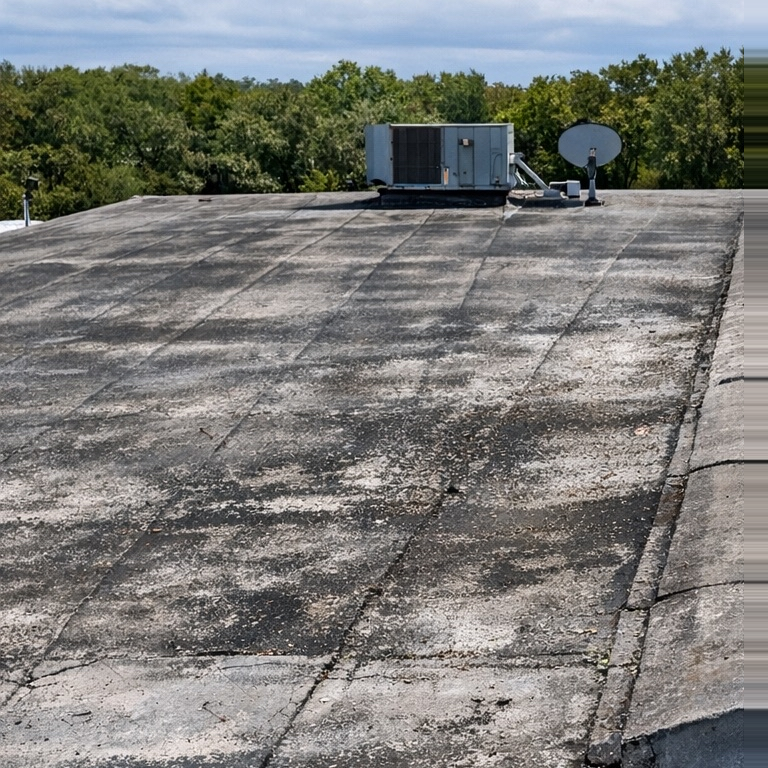
A full reroof is the easiest number for a contractor to quote. It doesn't require diagnosing what's actually failing, and it comes with a bigger price tag. But most commercial roofs that are 15 to 25 years old with isolated leaks or wear are strong candidates for restoration: targeted repairs combined with a roof coating system that can extend the roof's life another 10 to 15 years, often for a fraction of what a full reroof costs.
The difference matters most for organizations working within a fixed annual budget, like school districts, daycares, and municipal or nonprofit facilities. A six-figure reroof doesn't just cost money. It displaces money that would otherwise go toward staff, programs, equipment, or students.
Which roof coating system fits your building
Not every roof restoration looks the same, and the right coating system depends on your existing roof type, drainage, and sun exposure:
SPF (spray polyurethane foam) roof coatings work well for older, uneven, or ponding-prone flat roofs, since the foam can be applied to build a slope for better drainage while adding insulation value.
Silicone roof coatings hold up especially well in Houston's climate, resisting ponding water and UV degradation better than many alternatives, which makes them a common fit for flat commercial roofs with drainage challenges.
TPO roof restoration is often the right call for buildings with an existing TPO membrane that's still structurally sound but showing seam wear or surface degradation, extending its service life without a full tear-off.
A proper diagnostic identifies which of these fits your roof's condition, rather than defaulting to a one-size-fits-all recommendation.
When to start budgeting, before the emergency
Commercial roof repair rarely lines up with when the money is actually available unless you plan for it. A few timing patterns are worth building into your calendar:
Q3 to Q4 (August through November): most commercial capital budgets for the following year are finalized during this window. If your roof needs attention, this is when to get a diagnostic and a quote, so the repair has a chance of making it into next year's approved budget instead of becoming an unplanned emergency expense.
November to December: organizations with unspent capital budget often look to deploy it before fiscal year-end. If a roof repair has already been identified and quoted, this is often when it gets approved and scheduled.
January 1 insurance renewals: many commercial insurance policies renew at the start of the calendar year, and insurers increasingly require a roof condition report before renewal. Getting ahead of this in the fall avoids a scramble in December.
School district budget cycles: Texas ISDs typically build facilities budgets on a cycle tied to board approval well before a July 1 fiscal year start, often beginning as early as January. Getting a diagnostic and cost estimate in hand before that planning process starts gives facilities directors a real number to work with, instead of a guess.
What a diagnostic-first approach actually looks like
A proper diagnostic means someone walks the roof, identifies exactly where it's failing and why, and gives you options: what needs to happen now, what can wait, and what the actual cost range looks like for repair versus full replacement. It should be possible to walk away from that diagnostic with a real number for both paths, not just a reroof quote.
If a contractor recommends a full reroof without doing this first, it's worth asking directly: what would a targeted repair and coating system cost instead? A contractor who can't answer that question clearly hasn't actually diagnosed your roof.
Where we work
Primetime Roof Coatings & Restoration provides commercial roof diagnostics, coatings, and restoration across the greater Houston area, including The Woodlands, Pasadena, Baytown, and Pearland, serving warehouses, schools, daycares, shopping centers, and industrial facilities throughout these communities.
Frequently asked questions
How much does commercial roof restoration cost compared to a full reroof? Costs vary by roof size, condition, and coating system, but restoration is typically a fraction of a full reroof's cost, since it avoids tear-off, disposal, and full membrane replacement. A diagnostic visit gives you an exact number for your building.
How long does a roof coating last? A properly applied SPF, silicone, or TPO restoration coating can extend a roof's service life by 10 to 15 years, depending on the existing roof's condition and the coating system used.
Does my roof need a full reroof or just a restoration? That depends on the roof's structural condition, age, and how it's failing. A diagnostic evaluation, not a quote based on a quick visual walk, is the only reliable way to know.
What areas does Primetime serve? Primetime works with commercial, institutional, and industrial properties throughout the greater Houston area, including The Woodlands, Pasadena, Baytown, and Pearland.
The bottom line
The roofs that end up costing the most are usually the ones nobody looked at until something failed. Getting a diagnostic before your budget planning cycle, not after a leak forces the issue, is the difference between a roof repair that fits your budget and one that blows it up.
Primetime Roof Coatings & Restoration offers diagnostic-first roof evaluations for commercial, institutional, and industrial properties across the Houston area, so you know exactly what your roof needs and what it will cost before you have to make a decision under pressure.